
Damp patches, crumbling mortar, and flaking bricks trouble many older properties across the West Midlands. The common causes of damp walls and damaged brickwork in Birmingham homes are far easier to fix when caught early. Most trace back to water getting where it should not.
Gora Bricklayers handles brickwork repair in Birmingham and damp-related damage across the city. This guide walks through each cause, the warning signs, and the likely repair. Spotting the source early saves money and protects the structure.
How to Tell If a Wall Has Damp or Brickwork Damage
Damp shows up as dark patches, peeling paint, or a musty smell. Tide marks near the skirting often point to rising damp. Black mould usually signals a condensation problem.
Damaged brickwork looks different from the outside. Cracked mortar joints, flaking brick faces, and loose bricks are clear signs. White salt deposits on the surface suggest moisture moving through the wall.
Some problems hide until they spread. Bulging plaster and a cold, clammy wall warrant a closer look. Early checks stop small faults becoming structural ones.
Rising Damp: Why It Happens in Older Birmingham Homes
Rising damp draws ground moisture up through the wall by capillary action. It mainly affects older homes with a failed or missing damp-proof course. The damp rarely climbs above one metre.
A tide mark and salt staining near the floor are typical signs. Birmingham has many Victorian terraces built before modern barriers existed. Their original DPCs can break down over time.
Raised external ground levels often bridge the barrier. Soil or a new path above the DPC lets water cross it. Lowering the ground level frequently solves the issue.
Penetrating Damp: When Rain Gets Through the Wall
Penetrating damp moves horizontally through a wall after heavy rain. Porous brick, cracked render, and open joints all let water in. Exposed and weather-facing walls suffer most.
Damp patches appear during or after wet spells. The marks often sit higher up the wall, not at the base. Solid nine-inch walls are more prone than cavity walls.
A defect usually starts the problem. Failed pointing, a cracked sill, or a leaking pipe gives water a route. Fixing that defect comes before any internal repair.
Condensation: The Most Common Type of Damp
Condensation is the most common damp problem in UK homes. Warm, moist air meets a cold wall and forms water droplets. Black mould in corners and on cold surfaces soon follows.
Daily life adds moisture to the air. Cooking, showering, and drying clothes indoors all raise humidity. Poor ventilation traps that moisture inside.
Cold bridges make it worse. Solid walls and window reveals chill below the dew point. Better airflow and steady heating reduce the build-up.
A Failed or Bridged Damp-Proof Course
The damp-proof course blocks ground moisture from rising up a wall. Older homes may have a slate or bitumen DPC that has failed. Some very old properties never had one at all.
Bridging is a frequent cause of trouble. Render carried across the DPC or a raised flower bed lets water cross. Debris in the cavity can bridge it too.
A new chemical DPC injection is the usual fix. The treatment forms a fresh water-resistant barrier. Replastering then follows to remove the contaminated plaster.
Cracked and Failed Mortar Pointing
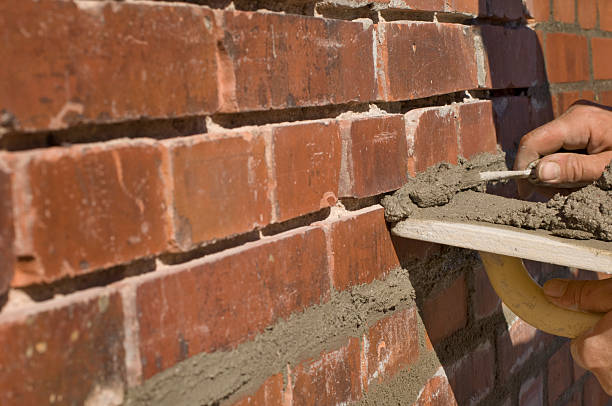
Mortar joints are the first line of defence against water. Over decades they crack, crumble, and wash out. Open joints let rain straight into the wall.
Failed pointing is one of the most common faults Gora Bricklayers sees on Birmingham homes. Fresh brick repointing seals the joints again. The right mortar mix matters on older walls.
Hard cement mortar can harm soft Victorian brick. It traps moisture and forces it out through the brick face. A softer, breathable mix protects the brickwork instead.
Spalling Brickwork and Frost Damage
Spalling is when the face of a brick cracks and flakes away. Water soaks into the porous brick, then freezes and expands. That pressure blows off the surface.
Birmingham winters bring repeated freeze-thaw cycles. Exposed and weather-facing walls take the worst of it. Damaged pointing speeds up the decay.
Spalled bricks lose their weather resistance fast. Left alone, they let damp reach the inner wall. Cutting out and replacing the bricks restores protection.
Faulty Guttering, Downpipes and Roof Leaks
Blocked or broken guttering is a leading cause of damp walls. Overflowing water runs down the brickwork and soaks in. The damage often shows as a vertical damp streak.
Cracked downpipes and slipped roof tiles add to the problem. Water tracks down the wall behind the pipe. A leaking chimney can soak the stack and the ceiling below.
Chimneys need sound flashing and joints to stay dry. Chimney repointing and flashing repairs keep water out. Clearing gutters each autumn prevents most of this.
Cracks in Brick Walls and What They Mean
Fine cracks in mortar are common and often harmless. Wider or stepped cracks can signal movement. Diagonal cracks near doors and windows deserve attention.
Clay soil shrinks and swells with the seasons across Birmingham. That ground movement can crack brickwork over time. Tree roots and shallow foundations add to the strain.
The pattern of cracks in brick walls helps reveal the cause. Some need only repointing, others need structural repair. A proper survey tells the two apart.
Cavity Wall Problems and Blocked Weep Holes
Cavity walls keep the outer and inner leaves apart for a reason. The gap stops water crossing to the inside. Debris or mortar in the cavity can bridge it.
Weep holes let trapped water drain out at the base. Blocked weep holes hold moisture against the wall. Clearing them restores the drainage.
Failed wall ties cause separate trouble. Rusting ties expand and crack the mortar beds. Replacement ties stabilise the wall again.
How Birmingham Weather and Clay Soil Affect Brickwork
Birmingham sees frequent rain, long damp spells, and winter frosts. That mix drives water into masonry and then freezes it. Repeated cycles wear brick and mortar down.
The region’s clay soil moves with the moisture in the ground. Dry summers shrink it, wet winters swell it. This movement stresses older walls.
Many local terraces were built with soft brick and lime mortar. Lime mortar repointing lets these walls breathe. Modern cement mixes often trap damp inside them.
How Much Does It Cost to Fix Damp and Brickwork in Birmingham
Repair costs depend on the cause, the access, and the area affected. The 2026 ranges below reflect typical Birmingham pricing. A survey gives the accurate figure for a property.
| Repair | Typical 2026 Cost (UK) | What Affects the Price |
|---|---|---|
| Repointing brickwork | £40 – £80 per m² | Area, height, mortar type |
| Chemical DPC injection | £70 – £120 per linear metre | Wall length, access |
| Rising damp treatment (terraced house) | £1,500 – £2,500 | Injection plus replastering |
| Replastering after damp | £30 – £70 per m² | Finish and area |
Catching damp early keeps the cost down. A full brick restoration of a neglected wall costs far more than timely pointing. Small repairs protect against big bills later.
How to Prevent Damp and Brickwork Damage
Prevention starts with keeping water away from the wall. Clear gutters, sound downpipes, and good drainage all help. Ground levels should sit below the damp-proof course.
Regular checks catch faults before they spread. Gora Bricklayers recommends a yearly look at pointing, render, and flashing. Industry bodies such as the Property Care Association publish useful damp guidance for homeowners.
Breathable repairs suit older homes. Soft mortar and the right render let walls dry out. Quick fixes with the wrong material often make damp worse.
When to Call a Professional Bricklayer
Light surface cleaning suits a confident homeowner. Persistent damp, cracking, or spalling needs an expert eye. Guesswork often treats the symptom, not the cause.
A professional diagnoses the source before any repair starts. The right fix depends on the wall type and the fault. Correct mortar and method protect the structure.
Older and period properties need extra care. The wrong materials can cause lasting harm. A skilled bricklayer matches brick, mortar, and technique to the wall.
Protecting Your Birmingham Home from Damp and Decay
The common causes of damp walls and damaged brickwork in Birmingham homes nearly always come back to water. Rising damp, penetrating damp, condensation, and frost each leave their own mark. Finding the source is the first real step toward a lasting fix.
Gora Bricklayers diagnoses the cause and repairs the damage with materials suited to local homes. Owners of period properties can also read about common Victorian brickwork problems and their costs. Acting early keeps a home dry, sound, and warm.
Frequently Asked Questions
1. How can I tell if my Birmingham home has rising damp or penetrating damp?
The position of the damp is the clearest clue. Rising damp starts at the base of the wall and rarely climbs above one metre, often leaving a tide mark and salty deposits near the skirting. It draws moisture up from the ground through a failed or bridged damp-proof course, which is common in older Birmingham terraces. Penetrating damp behaves differently. It appears higher up the wall and usually gets worse during or just after heavy rain. The cause is water passing horizontally through the brickwork, normally through cracked render, open mortar joints, a faulty sill, or a leaking gutter. A penetrating damp patch often sits near the defect that lets the water in. Condensation is a third possibility and shows as black mould on cold surfaces and in corners. Because the three are easy to confuse, it helps to note when and where the damp appears. A professional damp diagnosis confirms the type before any treatment, which avoids paying for the wrong repair.
2. Why is the mortar between my bricks crumbling and falling out?
Crumbling mortar is usually a sign of age, weathering, or the wrong mortar mix. Mortar joints sit exposed to rain, frost, and pollution for decades, so they slowly erode and wash out. Once the joints open up, rain gets straight into the wall and the decay speeds up. Frost makes it worse, because trapped water freezes, expands, and breaks the mortar apart. On many older Birmingham homes, a hard cement mortar was used to repoint soft Victorian brick at some point. That hard mix traps moisture and forces it out through the brick face, which damages both the mortar and the bricks. The fix is to rake out the failed joints and repoint with a suitable mix, often a softer lime mortar on period walls. Repointing restores the weather seal and protects the bricks behind it. Left untreated, failed pointing leads to damp inside the home and eventually to spalling and loose bricks, so early repointing is the cheaper option.
3. What causes brickwork to flake and crumble on the outside of my house?
Flaking, crumbling brick faces are called spalling, and the main cause is water combined with frost. Bricks are porous, so they absorb rainwater naturally. When that trapped moisture freezes in winter, it expands and creates pressure inside the brick. The pressure forces the surface to crack and blow off, which exposes the softer core to even more water. Birmingham’s repeated freeze-thaw cycles make this a common problem, especially on exposed and weather-facing walls. Failed pointing, leaking gutters, and damp ground all add to the moisture load and speed up the damage. Once a brick has spalled, it loses its weather resistance and lets damp track through to the inner wall. The repair is to cut out the damaged bricks and replace them with matching units, then repoint with a breathable mortar. Fixing the source of the water, such as a blocked gutter or open joint, is essential too. Without that, new bricks will simply spall again over time.
4. Is condensation really damp, and how do I stop black mould on my walls?
Yes, condensation is a genuine form of damp and the most common one in UK homes. It happens when warm, moist air touches a cold surface and turns back into water droplets. Those droplets feed black mould, which usually appears in corners, behind furniture, and around windows. Everyday activities like cooking, showering, and drying clothes indoors release a lot of moisture into the air. Without enough ventilation, that moisture settles on cold walls. To reduce it, improve airflow by using extractor fans, opening windows after showers, and keeping trickle vents clear. Steady background heating helps keep wall surfaces above the dew point, which stops droplets forming. Drying washing outdoors or in a vented space also makes a big difference. Wiping away existing mould with a suitable cleaner removes the visible problem, but only better ventilation and heating stop it returning. If condensation persists despite these steps, a cold bridge or poor insulation may be involved, and a professional can identify the weak point in the wall.
5. How much does it cost to fix damp and repointing on a Birmingham terraced house?
Costs vary with the cause and the scale of the work, but 2026 figures give a useful guide. Repointing brickwork typically costs £40 to £80 per square metre, depending on the area, the height, and the mortar type. A chemical damp-proof course injection runs around £70 to £120 per linear metre of wall. For a full rising damp treatment on a terraced house, including injection and replastering, the total usually lands between £1,500 and £2,500. Replastering after damp treatment adds roughly £30 to £70 per square metre. Penetrating damp can be cheaper to resolve if it only needs a gutter repair and some repointing, or more costly if render must be replaced. Access, scaffolding, and the condition of the brickwork all affect the final price. The key point is that early action keeps costs low. A small repointing job is far cheaper than a full brick restoration on a wall left to decay. A free site assessment gives an accurate, property-specific quote.
6. Can damp and damaged brickwork cause structural problems if left untreated?
Yes, ignored damp and damaged brickwork can lead to serious structural problems over time. Persistent damp weakens mortar, rots embedded timbers, and corrodes metal wall ties inside cavity walls. As wall ties rust, they expand and crack the mortar beds, which can bulge the outer leaf of the wall. Spalling bricks lose their strength and weather resistance, so the wall slowly loses its protective face. Open joints and cracks let yet more water in, which accelerates frost damage and decay. On homes built over Birmingham’s clay soil, seasonal ground movement adds extra stress and can widen existing cracks. Left long enough, these issues move from cosmetic to structural and become far more expensive to repair. The good news is that early intervention almost always prevents this. Repointing, replacing spalled bricks, fixing leaks, and treating damp at the source keep a wall sound. A professional survey identifies how far any damage has progressed and the right order of repairs.


