
Brick Repointing in Birmingham, UK and the West Midlands
Brick repointing in Birmingham keeps walls strong, weatherproof, and neat when old mortar joints start to crumble. Gora Bricklayers handles brick repointing for homes, landlords, and commercial properties across Birmingham and the West Midlands.
Send Inspection Request
Trusted Brick Repointing Contractors Serving Birmingham Homes and Businesses
Gora Bricklayers is a local bricklaying contractor delivering expert brick repointing in Birmingham and the West Midlands for residential, landlord, and commercial properties. Our team handles everything from full house repointing to single elevations, with a focus on clean joints and lasting brickwork.
Brick repointing replaces failed mortar between bricks before water gets behind the wall. Done properly, it adds years to the brickwork, improves the look of the property, and protects against frost damage common across older West Midlands homes today.

Full Brick Repointing Services for Birmingham Properties
Gora Bricklayers offers full brick pointing services, brickwork repair, and repointing services across Birmingham, covering everything from full elevations down to retaining walls and single garden walls.
Full House Repointing
When mortar across an entire elevation has gone soft, patch repairs stop working and the wall keeps letting water in. Our team strips failed pointing back across every joint, rebuilds the mortar to match, and the result is a house that looks tight and dry again.
Single Wall and Elevation Repointing
A single elevation repoint is the cost-effective way to handle a wall that has weathered faster than the rest of the house. Our contractors focus on that one face, match mortar to neighbouring elevations, and the wall blends in once the new pointing settles.
Lime Mortar Repointing for Properties
Hard cement mortar on soft Victorian bricks traps moisture and blows the brick faces over time. We rake out the old cement carefully, repoint with a lime-based mix that lets the wall breathe, and the original brickwork is preserved instead of sacrificed.
Cement Mortar Repointing for Newer Brickwork
Modern Birmingham estates need a cement-based mix that handles weathering without going brittle. Gora Bricklayers specifies the right ratio for the brick type, applies it at proper joint depth, and the result is pointing that it lasts decades, not five years.
Garden, Boundary, and Retaining Wall Repointing
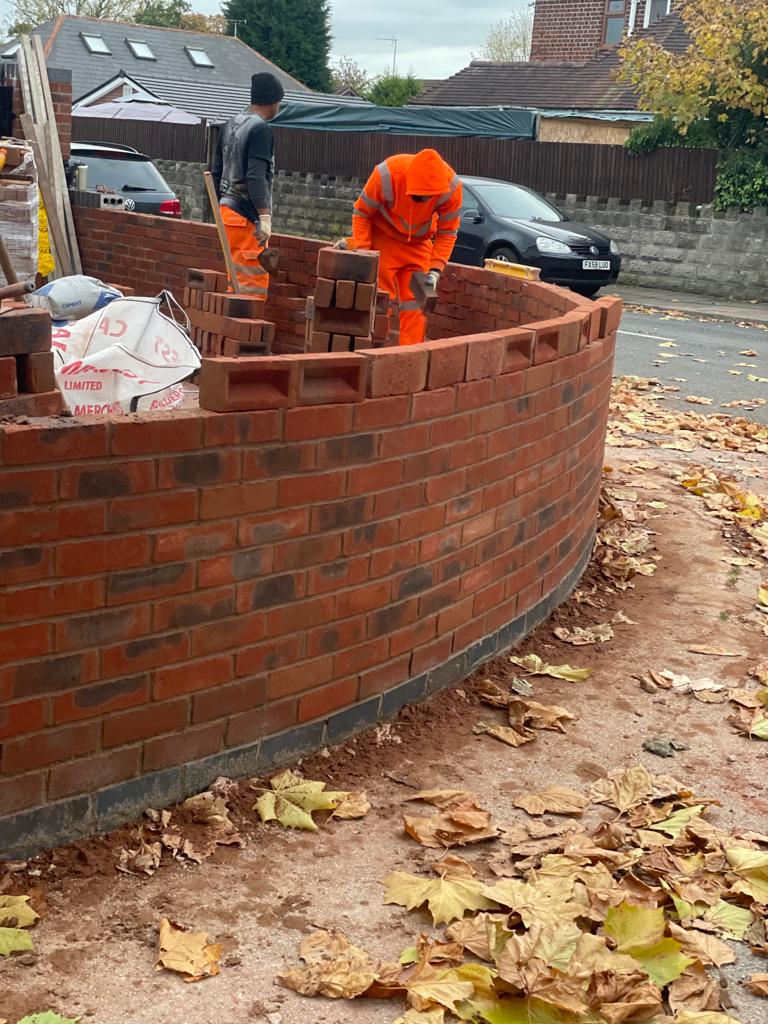
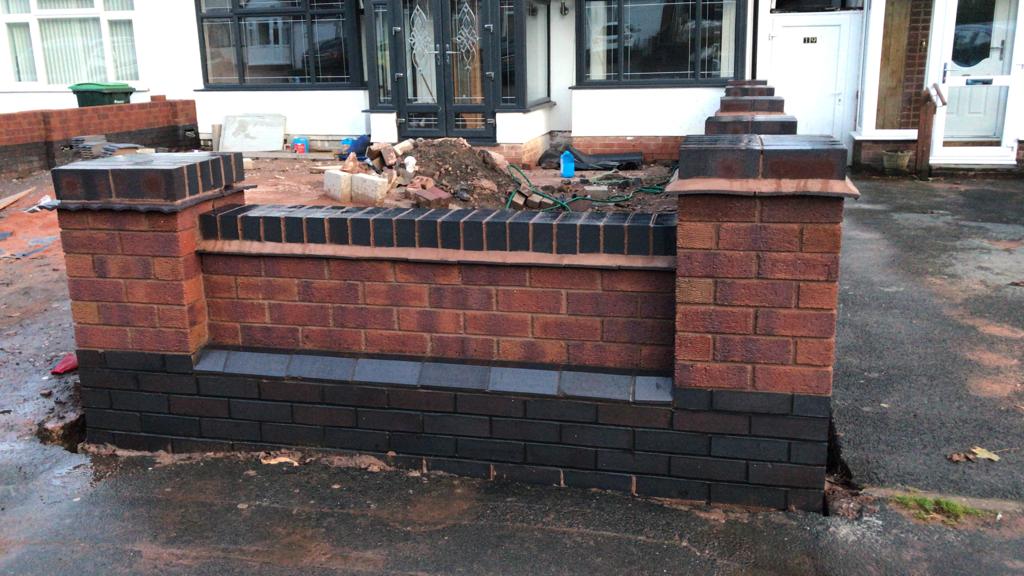
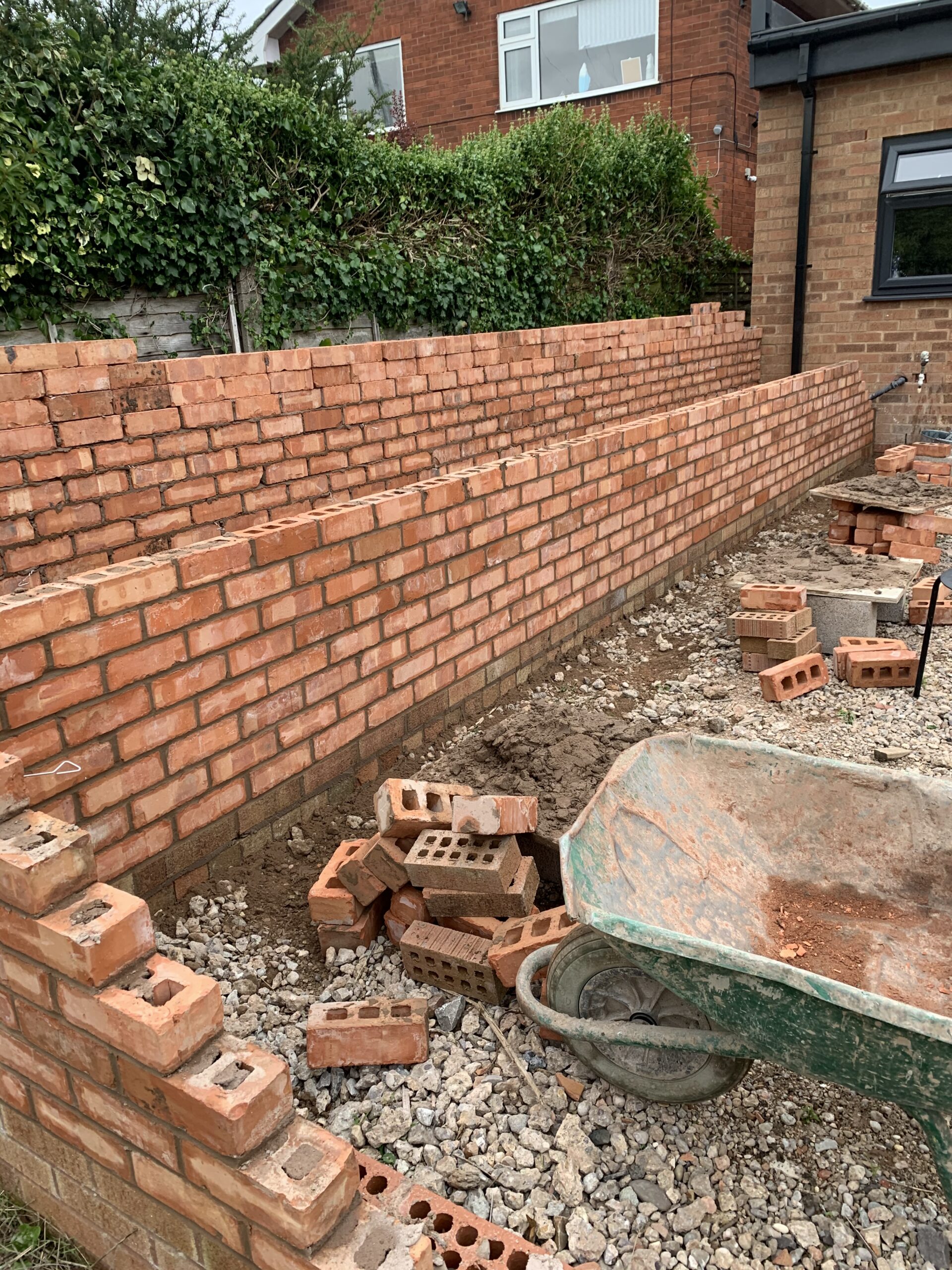
Garden walls take rain on both sides and frost from the ground up, so their pointing fails first. Our bricklayers rebuild loose courses where needed, repoint the rest, and finish the cap so the wall stops shedding mortar onto the lawn or neighbour’s drive.
Commercial and Landlord Brickwork Repointing
Commercial and rental properties need repointing finished on time, around tenants, and to a standard surveyors will not query. Our local team works to agreed access windows, keeps sites clean, and delivers brickwork that holds up at inspection and beyond.
Our Reviews
EXCELLENT Based on 40 reviews
 Posted on Google
 Jihad HamadiI use Gora bricklayers they are very honest and they work very clean I recommend to anyone needs to do extension or project.Posted on Google
 Sarita SharmaGreat brickwork and very professional. Turned up on time, worked efficiently, and the finish was excellent. I would highly recommend to anyone wanting any sort of brickwork done 👍Posted on Google
 Auran KumarI recently hired Gora Bricklayers for a masonry project, and I couldn’t be more pleased with the results. From start to finish, their professionalism, attention to detail, and craftsmanship stood out. The brickwork was done flawlessly with clean straight lines and level joints. They take pride in their work, and it shows in the quality of the final product. They arrived on time, kept the work area tidy, and completed the job on schedule with no surprises. It’s rare to find a tradesperson let alone a company who combine skills, reliability, and great customer service, but Gora Bricklayers truly delivered on all fronts. If you’re looking for a dependable and highly skilled bricklayer, I highly recommend Gora Bricklayer’s I’ll definitely be using them again for future projects.Posted on Google
 Chetan SinghAbsolutely immaculate work, wouldn’t recommend anyone else, the attention to detail is something to note, the knowledge these guys have illustrates the job is going to get done to a professional level, never disappoint.Posted on Google
 Dajlit SinghGood quality quick finish no wasting great value 😊Posted on Google
 Amo SinghAmazing team! Currently having a house extension. Very hard working team and efficient. Completed to a great standard. Amazing workPosted on Google
 Kanwal SandhuIt is with pleasure that we provide a recommendation for Addbuild. Gora bricklayer and the team have delivered a great job. The whole area was left all clean and tidy end of each day. Team is very polite and paid attention to the details and they are easy to deal with. There was no stress involved from our end . Any arising problems were dealt with little disruption and concerns to us. We wish you all the very best for your future works .Posted on Google
 Khalid WardakHigh Quality finish quick we always use Gora bricklayerPosted on Google
 Mohibullah AkbariThey are done very professional and quality jobs and quicker I'm so happy with them thank so much see you again definitely giving jobs next timePosted on Google
 Ali KhanExcellent job - best bricklayers in the game. 100% recommended.Verified by TrustindexTrustindex verified badge is the Universal Symbol of Trust. Only the greatest companies can get the verified badge who has a review score above 4.5, based on customer reviews over the past 12 months. Read more
Types of Brick Repointing Finishes Used Across Birmingham Properties
Different finishes suit different properties. The wrong style can make a Victorian terrace look modern or leave a newer house looking patchy.
Flush pointing finishes joints level with the brick face and stays the standard on most modern Birmingham homes, while recessed pointing sets the joint slightly back for a clean shadow-line look on cleaner-faced brickwork. Our contractors match the right finish to the property age and brick type before any work starts on site.
Weatherstruck pointing sheds water cleanly off a sloped joint, which makes it a strong choice for exposed walls and gable ends across the West Midlands. Tuck pointing places a fine decorative line within a wider joint, traditionally on Georgian and Victorian properties in Edgbaston and Moseley.

Get a Free Brick Repointing Quote for Your Birmingham Property
Call or send a message with the property address and a photo or two of the brickwork. A bricklayer will visit the site, assess the joints, and explain the right approach for the property before any price is shared.
Why Birmingham Homeowners Choose Us as Their Repointing Specialists
Local Birmingham and West Midlands Coverage
Our team works across Birmingham, Solihull, Sutton Coldfield, Edgbaston, Harborne, Moseley, West Bromwich, Wolverhampton, and wider West Midlands towns. Local coverage means quick site visits, accurate quotes, and proper attention to property types common across the area.
Qualified and Fully Insured
Repointing is detailed work and the wrong mortar mix can cause damage that costs more to fix than the original problem. Qualified bricklayers and full public liability insurance give homeowners and commercial clients clear protection from the start.
Honest Cost Guidance
Most repointing prices are quoted blind. Gora Bricklayers explains what is being measured, why the cost falls where it does, and what is included. Free quotes cover labour, mortar, and prep, so there are no awkward surprises later.
Right Mortar for the Right Brick
Period homes need lime mortar. Modern builds usually need cement-based mixes. We check the existing brickwork, age of the property, and condition of the joints before specifying a mortar that will last and not damage the bricks.
Residential and Commercial Capability
From a single garden wall to a full Victorian terrace, a rental property, or a commercial building elevation, Our team scales the right people and equipment to suit. The same standards apply to every job, large or small.
Business Hours
Monday     9 AM - 6 PM
Tuesday    9 AM - 6 PM
Wednesday  9 AM - 6 PM
Thursday   9 AM - 6 PM
Friday     9 AM - 6 PM
Saturday   9 AM - 6 PM
Sunday     Closed
Our Brick Repointing Process from First Visit to Final Finish
Inspection and Quote
A bricklayer visits the property, measures the area, checks the condition of the existing mortar, and explains what the work will involve before any written quote is sent through.
Raking Out and Preparation
Failed mortar is carefully raked out to the correct depth without damaging the bricks. The joints are cleaned and dampened to give the new mortar a strong bond when applied.
Mixing and Pointing
The mortar mix is specified for the brickwork, with colour matching against the existing joints, age of property, and finish required. Joints are filled, packed, and finished in the chosen style: flush, recessed, weatherstruck, or tuck.
Curing and Site Clearance
The new pointing is protected from rain and direct sun while it cures, then the site is cleaned. Our team checks the finish and explains simple aftercare for the first few weeks.




Common Signs Your Brickwork Needs Repointing in Birmingham Homes
A house needs repointing when the mortar starts losing the fight with the weather. The signs are usually visible from the garden or pavement. Spotting them early keeps the bill smaller and the brickwork sound.
Common signs across Birmingham properties include:
- Crumbling or powdery mortar that flakes when scraped with a screwdriver
- Repointing cracked mortar is needed where hairline cracks run along joints, especially on south and west-facing walls
- Gaps wide enough to slip a coin into between bricks
- Loose, wobbly bricks at the top of garden walls or boundary walls
- Damp patches and penetrating damp inside the house tracking back to an external wall
- Water ingress around window heads, sills, or where mortar has fully washed out

Areas We Cover for Brick Repointing Across Birmingham, UK
Looking for brick repointing near me in Birmingham or the wider West Midlands? Gora Bricklayers covers the full area, handling complete property repointing across all locations listed below.
We Proudly Serve The Following Birmingham Neighborhoods:
Book a Free Brick Repointing Quote for Your Birmingham Home
Send the property address, share a photo or two of the brickwork if helpful, and Our team will arrange a site visit and a clear written price. No pressure, no hard sell, just straightforward advice on what the brickwork needs.
About Birmingham, UK
Birmingham is the largest city in the West Midlands and the second largest in the UK, home to over a million people across a wide mix of neighbourhoods. The city’s housing stock ranges from Victorian terraces and Edwardian semis through to post-war estates and modern new builds, each with different brickwork needs.
That property variety is exactly why local repointing matters. A wall in Harborne is not built like a wall in Castle Vale, and a terrace in Moseley needs a different mortar approach to a 1990s estate near Solihull. Working across Birmingham every week, Our team understands these differences in detail and quotes accordingly.
Frequently Asked Questions (FAQs)
How much does brick repointing cost in Birmingham right now?
The price for repointing brickwork in Birmingham typically falls between £35 and £75 per square metre for standard residential work, with the final figure depending on access, mortar type, the condition of the existing joints, and if scaffolding is needed. The cost of repointing a wall on a small garden boundary usually comes in around £400 to £800. A single elevation on a Victorian terrace sits between £900 and £2,500. Full house repointing on a three-bedroom semi runs from roughly £3,500 to £7,500. Lime mortar repointing on period properties costs more than cement-based work because the mix is slower to apply and the prep is more careful. Free quotes from Gora Bricklayers always break down labour, materials, prep, and tidy up so the price for repointing brickwork on the property is clear before any work starts.
How do I actually know if my brickwork needs repointing or if it can wait another year?
The honest test is to scrape a screwdriver firmly across a mortar joint. If the mortar holds and only marks lightly, it is still doing its job. If it crumbles, flakes, or comes away in chunks, the wall is past the point of waiting. Other clear signs are visible gaps wide enough for a coin, hairline cracks running along joints on south and west-facing walls, damp patches inside the house tracking back to an outside wall, and loose bricks at the top of garden walls or around window heads. One or two small spots can usually wait a season. Two or more signs on the same elevation means the wall is letting water in and repointing should be booked before winter to avoid frost damage spreading.
What is the difference between lime mortar and cement mortar repointing and how do I know which one my house needs?
The rule of thumb is age. Birmingham homes built before roughly 1920, most Victorian and Edwardian terraces in Edgbaston, Moseley, Harborne, and parts of Sutton Coldfield, were built with soft handmade bricks and lime mortar. Lime is breathable, which means moisture can pass through the wall and dry out naturally. Putting hard cement mortar onto these old soft bricks traps the moisture, which then exits through the brick face instead, causing the front of the brick to flake off (known as spalling). Houses built after the 1930s usually have harder mass-produced bricks designed to work with cement mortar. The wrong choice does real damage. A bricklayer can usually tell within minutes of inspecting the wall, but if the property is older than 100 years, lime is almost always the right answer.
How long does it take to repoint a typical house in Birmingham from start to finish?
A single elevation on an average Birmingham semi takes around three to five working days for two bricklayers. A full house repoint on a three-bed property takes roughly two to three weeks once scaffolding is up. Garden walls and boundary walls are usually one to three days depending on length and condition. Lime mortar work runs slower than cement because lime needs longer between coats and careful protection from rain and direct sun while it cures. Weather plays a role too. Repointing should not be carried out below 5 degrees Celsius or in heavy rain, so a wet winter week can stretch a job out by days. Our team always gives a realistic time estimate alongside the quote so there are no surprises mid-project.
What are the most common mistakes people make when repointing brickwork themselves?
The biggest mistake is using cement mortar on soft historic bricks, which causes the brick faces to blow within a few years. The second is raking the joints out with an angle grinder, which damages the brick edges and leaves the wall looking scarred forever. The third is not raking deep enough. Pointing needs to go in at least 15 to 20mm to bond properly, but DIY jobs often only patch the surface, which fails inside two seasons. Other common errors are pointing in direct sun without dampening the joint first so the mortar dries before it can cure, pointing in winter when frost gets into the fresh mix, and using a smooth tool to finish what should be a weatherstruck or recessed joint. Most repointing failures Our team sees on Birmingham properties come from one of these mistakes, not from the original brickwork.
Can you actually repoint brickwork in winter or do you have to wait until spring?
Repointing can be carried out in winter as long as the temperature stays above 5 degrees Celsius for the full day and overnight, no frost is forecast for at least 48 hours, and the wall is not soaking wet. In Birmingham that usually means December and January are difficult, while early winter (November) and late winter (late February into March) are workable. Lime mortar is more sensitive to cold than cement and ideally goes in between April and October. If a leak is already showing inside the house, an emergency winter patch is sometimes the right call to stop further damage, with full repointing scheduled in spring once conditions are stable.
How long does professional brick repointing actually last before it needs doing again?
Properly done cement-based repointing on a Birmingham house usually lasts 30 to 50 years before the joints need attention again. Lime mortar repointing on a period property can last 50 to 80 years if the mix is right and the wall has not been damaged by previous bad cement repairs. The biggest factors are mortar choice, joint depth, the finish type used (weatherstruck and recessed shed water best), and exposure. South and west-facing walls weather faster than north and east. Cheap or rushed repointing tends to fail in 5 to 15 years, which is why the upfront cost of doing the job properly is almost always cheaper across the full life of the wall.
Is it worth repointing an old brick wall or should I just rebuild it from scratch?
Repointing makes sense as long as the bricks themselves are still sound. If most of the bricks are intact, even with surface weathering, repointing will save the wall and cost a fraction of a rebuild. If a high percentage of bricks are cracked, hollow-sounding, spalled, or visibly crumbling, partial rebuilding is needed first and repointing follows on the new work. A bricklayer should walk the wall, tap-test a sample of bricks, and tell you honestly which path makes sense. Garden walls leaning more than around 25mm from vertical usually need rebuilding from the lean down. Whole-house elevations almost always repoint successfully. Full rebuilds on standing brickwork are rare in Birmingham unless the wall has been seriously neglected.
Do I need planning permission to repoint my house in Birmingham?
Standard repointing on a normal Birmingham home does not need planning permission because it is classed as routine repair and maintenance. The exception is listed buildings and properties inside a conservation area, both common around Edgbaston, Moseley, parts of Harborne, and some Sutton Coldfield streets. In those cases, listed building consent or conservation area approval may be required, especially if the mortar mix or finish is being changed from the original. Birmingham City Council’s planning team can confirm in writing within a few days when needed. Gora Bricklayers also flags when consent might apply during the quote visit, so nothing gets missed before work starts.
What is the actual difference between pointing and repointing?
Pointing is the original mortar finish applied between bricks when a wall is first built. It shapes the joints and seals the brickwork against weather. Repointing is the repair process that comes later, where failed or damaged pointing is raked out and replaced with fresh mortar to match. Most Birmingham homes need repointing once or twice in their lifetime depending on age, exposure, and the mortar originally used. So pointing is something done at construction; repointing is the maintenance job that keeps the wall working properly for the next 30 to 80 years.