
Crack stitching costs in Birmingham are £400–£800 per run; several cracks can raise the total above £1,000. Gora Bricklayers provides cracked brick wall repairs in Birmingham after assessing the crack pattern, wall condition, access, and likely cause. This 2026 guide explains per-metre rates, full job prices, bar layouts, scaffolding, survey fees, finishes, exclusions, and suitable repair scopes.
What Is the Average Crack Stitching Cost in Birmingham in 2026?
Most typical Birmingham crack runs cost about £400–£800. This figure suits a localised crack where the wall remains suitable for stitching. It may include helical bars, bonding grout, joint cutting, labour, and making good.
Two or three cracks can cost roughly £800–£2,400 for stitching alone. A wider programme may exceed £3,000 when cracks cross several areas. High walls, hard access, or engineer-designed work can raise the total.
These figures are planning ranges rather than fixed quotations. A site visit should confirm crack length, wall type, joint condition, access, and likely cause. The quote must also state which finishes and related repairs are included.
What Are Typical Crack Stitching Prices by Job Size?
The table combines local Birmingham pricing with current 2026 UK trade guides. Each contractor may measure work differently. Compare the defined scope rather than the headline number alone.
Gora Bricklayers uses the wall condition and required bar layout to build an itemised price. Ground-level work with sound mortar beds normally costs less than a high or heavily weathered elevation.
Why Do Prices Per Metre and Per Crack Look Different?
A visible crack often runs vertically, diagonally, or in steps. Helical bars normally cross it through several horizontal mortar joints. One metre of visible crack may therefore need several metres of installed bar.
Some contractors quote each prepared joint metre. Others price one complete crack run with a stated number of bars. A third quotation may combine access, stitching, brick replacement, and finishing within one total.
Ask which measurement controls the price. The estimate should state the number of stitched joints, bar length, slot length, and repair area. Without those details, two rates per metre may describe very different jobs.
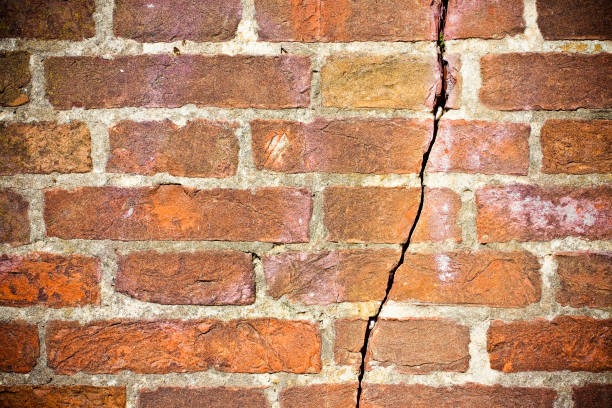
What Is Included in a Standard Crack Stitching Price?
Standard work usually begins with marking the bar positions and protecting the area. The contractor cuts or rakes mortar bed joints to the required depth. Remove dust and loose mortar before bonding begins.
The contractor then places grout and stainless-steel helical bars within the prepared joints. A further grout layer covers each bar. The joint face is finished with suitable mortar to blend with nearby work.
Gora Bricklayers can also identify cracked bricks or weak joints that need separate repair. Internal plaster, external render, decoration, scaffolding, and engineer fees may sit outside the base price. The written quotation should clearly state each exclusion.
Which Factors Change the Cost of Crack Stitching?
Crack length matters, but the number of stitched joints matters more. Longer bars, paired bars, corners, openings, and thick walls use more material. They also take more time to prepare and fill.
Access can become the largest extra. Ground-floor work may need no scaffold, while upper-storey cracks require a safe platform. Conservatories, narrow passages, sloping ground, and pavement positions can add complexity.
Wall condition also changes labour. Hard mortar is slower to cut, and soft brick needs careful handling. Damaged bricks, failed pointing, render, plaster, cables, and pipes can all change the repair plan.
A sound crack stitching quote needs the crack pattern, wall type, access, finishes, and likely cause assessed together. Call 07574 580332 or request a crack repair assessment for a Birmingham property.
When Is Crack Stitching the Right Repair?
Crack stitching can suit stable stepped or diagonal cracks through masonry joints. It ties the wall across the split and spreads loads beyond the weak area. The bars remain hidden after the joints are finished.
The method can also support repairs around openings after a lintel fault is corrected. Historic movement may be suitable when monitoring shows no ongoing change. A competent inspection must match the detail to the wall.
Fine cracks limited to plaster or render may not need structural stitching. Simple mortar loss may only require repointing. A repair should address the failed material rather than add bars by default.
When Is Crack Stitching Not Enough?
Stitching is not a cure for active subsidence, a leaking drain, failed foundations, or severe wall movement. Bars may hold the crack line while unresolved forces damage another area. The cause must be controlled first.
Bulging walls, major misalignment, loose sections, or widespread brick failure can need rebuilding or another restraint system. Failed lintels and corroded wall ties also require their own repair details. Stitching may form only one part.
Fresh cracks that widen quickly need proper review before masonry work starts. Doors or windows that start sticking can also show movement. A structural engineer may be appropriate where the cause or stability is unclear.
How Are Helical Bars Installed Across a Wall Crack?
The installer first sets the repair pattern across sound masonry on both sides. The installer cuts slots along selected bed joints. Their depth and length follow the bar system or engineer’s design.
Clean and dampen each slot when the chosen grout requires it. Bonding material is injected, and the helical bar is pressed into place. More grout then fills the slot around the bar.
The face receives matching mortar after the structural material is set. Work may continue on both wall faces when the design requires it. Final cleaning should leave a neat, discreet repair.
Why Must the Cause of the Crack Be Addressed First?
Crack shape gives clues but not a complete diagnosis. The guide explaining why cracks form in Birmingham brick walls covers settlement, subsidence, lintels, wall ties, moisture, and thermal movement. More than one cause can exist.
Drain leaks can soften soil, while trees can affect shrinkable clay. Metal lintels may corrode and lift nearby brickwork. Long walls can also crack where normal heat movement lacks suitable joints.
The repair plan should deal with the cause before closing the crack. Monitoring may be needed when movement history is uncertain. Stitching after stabilisation can then reinforce the damaged masonry rather than hide an active fault.
How Much Can Scaffolding, Surveys, and Finishing Add?
Scaffolding commonly costs £500–£1,500 when upper-level access is required. Small towers can cost less, while long elevations or difficult sites can cost more. The quote should state the access type and hire period.
A structural engineer’s report may cost about £300–£700. Not every crack needs one, but unusual movement or major structural concerns deserve specialist input. Follow any designed bar layout in the final scope.
Repointing, brick replacement, render, plaster, and decoration can add separate costs. The Birmingham repointing price guide for 2026 gives useful context for wider joint repairs. Matching old mortar or finishes may increase labour.
Is Crack Stitching Cheaper Than Rebuilding a Wall?
Stitching often costs less when most masonry remains sound and aligned. It keeps good brickwork in place and limits demolition. A typical £400–£800 repair can be far below rebuilding an elevation.
The cheapest suitable method depends on condition, not the first estimate. Stitching an unsafe wall wastes money, while rebuilding sound masonry adds needless cost. Inspection should define the smallest durable scope.
What Should a Birmingham Crack Stitching Quote Include?
A useful quotation maps each crack and identifies the wall face. It should state the number of stitched joints, bar type, lengths, slot depth, grout, and finishing mortar. Access and site protection also need clear descriptions.
Look for brick replacement, repointing, render, plaster, decoration, waste, and VAT treatment. Attach or reference engineer instructions when they control the design. Exclusions must be easy to find.
Ask how hidden faults or added work receive approval. Before-and-after photographs can record bar positions before the joints close. A written scope makes it easier to compare competing quotations fairly.
Which Wall Cracks Need Prompt Professional Advice?
New cracks deserve attention when they expand, appear suddenly, or affect doors and windows. Large diagonal cracks, wall bulges, and several linked defects can suggest movement beyond a surface finish. Unsafe areas should remain clear.
The RICS guidance on subsidence and cracks notes that new or expanding cracks may need measurement and monitoring. It recommends specialist help when warning signs appear without a known cause.
Crack width alone cannot diagnose every fault. Pattern, location, age, wall type, nearby trees, drains, and past alterations all matter. A surveyor or engineer can advise when the evidence falls outside routine brick repair.
Budgeting for Crack Stitching in Birmingham in 2026
Budget about £400–£800 for one typical Birmingham crack run. Several cracks, scaffold, engineer input, brick replacement, or finishing can raise the total. Compare bar layout and included work rather than one price per metre.
Gora Bricklayers can inspect cracked masonry and prepare a written repair scope. The 2026 guide to brick restoration prices in Birmingham gives wider costs for repointing, brick replacement, lintels, and wall ties. Diagnosis should come before reinforcement.
Gora Bricklayers provides crack stitching quotations based on the wall, access, finishes, and the cause of the repair. Call 07574 580332 or arrange an itemised crack stitching quotation for a Birmingham home.
Frequently Asked Questions
How much does crack stitching cost per metre in Birmingham?
Installed crack stitching often costs about £40–£120 per linear metre in 2026. The rate may be based on each horizontal mortar slot, not the visible crack height. One stepped crack can need several bars. A complete local repair commonly costs about £400–£800, plus extras, for the job.
Does a crack stitching price include scaffolding and making good?
Making good the cut mortar joints is often included, but scaffolding may be separate. Internal plaster, render, paint, brick replacement, and wide repointing can also cost extra. Ask for each item, access method, VAT position, waste removal, and exclusion in writing. Check this early.
How many helical bars are needed to stitch one wall crack?
The number depends on crack shape, wall type, bar system, and repair design. Bars commonly cross the crack through several horizontal bed joints and extend into sound masonry on both sides. A contractor should also state the joint count and installed bar length in the quotation.
Can crack stitching repair damage caused by subsidence?
Crack stitching can reinforce masonry after the movement has stopped or its cause has been repaired. It does not stabilise active ground movement on its own. Drain leaks, foundations, trees, lintels, and wall ties may need investigation first, before bars are installed across the crack.
How long does crack stitching take on a Birmingham house?
One accessible crack may take about a day, while several cracks or difficult access can require longer. Cutting joints, cleaning slots, placing grout and bars, curing, and matching mortar all take time. Scaffolding, render removal, or engineer-led details can extend the programme.
Is crack stitching visible after the repair is completed?
The stainless-steel bars and structural grout should be hidden inside prepared mortar joints. Matching-finish mortar makes the work discreet, although a slight colour difference may remain while the new mortar cures. Rendered or plastered walls may also need separate patching and decoration.


