
A typical chimney repair cost in Birmingham can start near £350 for focused mortar work on an otherwise stable stack. Larger rebuilds may cost £3,500 or more; this guide explains access, damage, materials, pricing, and quotation details for 2026.
Gora Bricklayers provides chimney repointing in Birmingham for local homes, including older stacks that need compatible mortar and careful preparation.
Many straightforward repairs fall between £350 and £1,000, excluding unusual access or hidden defects. Repointing a small stack may sit near the lower end. Extensive flashing work or several damaged faces can move the total higher.
A partial rebuild commonly costs £700 to £1,600. Rebuilding a full stack above the roofline often costs £1,200 to £3,500 or more. Scaffolding can add roughly £500 to £1,200 for a typical two-storey Birmingham home.
What Are the Average Birmingham Chimney Repair Prices by Job?
The table combines current UK trade guides with published Birmingham pricing. It gives a useful starting budget for 2026. Complex roofs, larger stacks, and difficult access can push costs above these bands.
Gora Bricklayers can assess related brickwork repair across Birmingham when damaged bricks extend below the chimney stack. Combining a clear diagnosis with an itemised scope makes different quotations easier to compare.
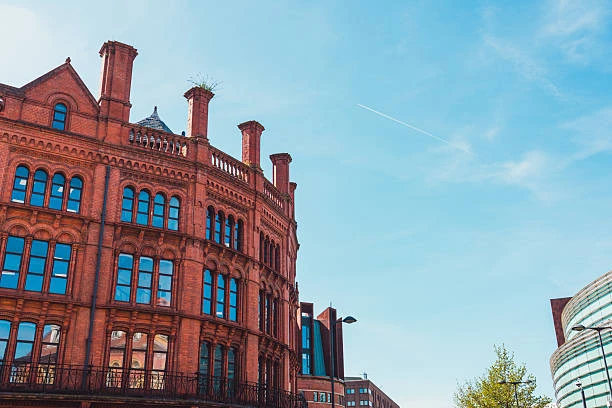
How Much Does Chimney Repointing Cost in Birmingham?
Repointing a typical single stack usually costs about £350 to £1,000. Small, accessible repairs may cost less than a complete four-face repoint. Deep erosion, hard mortar removal, or many loose bricks will increase labour.
The process normally includes raking out failed joints, cleaning them, and adding suitable fresh mortar. Sound preparation takes time because shallow surface pointing often fails early. A quote should state which faces and joint depths are included.
Specialists provide professional brick repointing in Birmingham for chimneys and wider masonry. Mortar type matters, especially on soft historic bricks. Scaffolding may be priced separately when a safe working platform is necessary.
A dependable chimney price starts with the stack, roof access, mortar, and repair area being assessed together. Call +44 7574 580332 or request a chimney cost assessment for a Birmingham property.
How Much Do Flaunching, Pots, Cowls, and Flashing Cost?
Flaunching is the sloped mortar bed around chimney pots. Repairing or renewing it commonly costs £200 to £450. Cracks can let water into the pot base, while weak sections may break away in severe weather.
A standard cowl often costs £80 to £200 fitted, and one replacement pot may cost £150 to £350. Product type, pot stability, and safe roof access affect both figures. Special ventilation or bird-control requirements may change the specification.
Lead flashing work commonly costs £350 to £1,000. Complex replacement around large stacks can cost up to £1,500. Gora Bricklayers checks adjacent mortar and bricks because good flashing cannot correct an unstable or badly eroded stack.
How Much Does a Partial or Full Chimney Rebuild Cost?
A partial rebuild of damaged upper courses commonly costs £700 to £1,600. This approach removes unstable masonry while retaining sound work below. The price depends on demolition, brick matching, flue protection, pots, and waste handling.
A full rebuild above roof level generally costs £1,200 to £3,500 or more. Decorative brickwork, several flues, tall stacks, and difficult roof geometry increase labour. New flashing or flaunching may also form part of the rebuild.
Rebuilding costs more than repointing, but it can be the better long-term choice for loose or deeply spalled masonry. A close inspection should identify the lowest sound course. The written scope should then define exactly what stays and what is replaced.
Why Does Scaffolding Add So Much to a Chimney Repair Quote?
Chimneys stand at one of a building’s least accessible points. Workers need a stable platform for tools, materials, joint preparation, and close inspection. A ladder alone is unsuitable for many multi-day masonry tasks.
Typical two-storey scaffolding may add £500 to £1,200. Cost changes with building height, roof shape, conservatories, extensions, pavement restrictions, and the required working platform. A pavement scaffold could also need local permission from the scaffold company.
Access affects productivity as well as safety. Good scaffolding lets bricklayers work around each required face and control falling debris. It also supports better joint preparation than rushed work from a narrow position.
Which Factors Change Chimney Repair Costs Across Birmingham?
Stack size is only one factor. Contractors also consider height, roof pitch, exposure, face count, flue number, and the condition of nearby tiles. A shared stack may require coordination with another property owner.
Older Birmingham terraces often have softer bricks and traditional mortar. Modern cement-rich repairs can trap moisture within unsuitable masonry. Careful removal and a compatible mix may require more skilled labour, but they protect the original fabric.
Hidden defects can appear after loose mortar or bricks are removed. Damp flue material, cracked pots, failed flashings, or unstable upper courses may change the scope. A quotation should explain how additional work receives approval and pricing.
Is Repointing Enough, or Does the Chimney Need Rebuilding?
Repointing suits stable bricks with joints that have lost depth or cohesion. A rebuild becomes more likely when bricks are loose, badly spalled, leaning, or fractured through several courses. Failed flaunching alone does not always mean the stack needs rebuilding.
A competent inspection considers the complete stack rather than one visible crack. Photos taken from the scaffold can document defects that were hidden from ground level. This evidence helps support any change from repair to reconstruction.
How Do Period Properties and Lime Mortar Affect the Price?
Many pre-1920s Birmingham chimneys contain relatively soft brick and lime-based mortar. Lime mortar allows movement and releases moisture differently from hard cement mixes. Matching the existing masonry can reduce damaged brick faces and trapped damp.
Lime work may cost more because preparation, mixing, application, and curing need care. Weather protection may also be needed during cold, wet, or hot conditions. Cost should reflect the correct method, not only the price of mortar.
Brick matching can add time on a partial rebuild. Size, colour, texture, and permeability all matter. Reclaimed or specially matched bricks may cost more to supply, but a poor match can harm both appearance and performance.
What Should a Birmingham Chimney Repair Quote Include?
A useful quote identifies each elevation and repair area. It should state the mortar type, joint preparation, bricks, pots, flaunching, flashing, and finishing method. Vague descriptions make price comparisons unreliable.
Access should appear clearly. Look for scaffold design, hire duration, pavement arrangements, roof protection, and waste removal. The quote should also state VAT treatment, expected timing, payment stages, and how hidden defects are handled.
Ask for photographs when the stack cannot be viewed safely from ground level. Before-and-after images can confirm completed joints and replaced bricks. They also create a maintenance record for later roof or chimney inspections.
Can Several Chimney Repairs Be Combined to Reduce Access Costs?
Scaffolding often forms a large part of the bill. Completing repointing, flaunching, pot work, and local flashing during one access period can avoid repeated setup costs. Every task must still be necessary and clearly specified.
Assess related roof or masonry work before erecting the scaffold. Early coordination helps trades agree platform height, working space, and sequencing. It can also reduce delays caused by changing an unsuitable scaffold later.
Bundling work does not always produce the lowest quote. Extra repairs increase materials and labour, while different trades may need separate visits. Compare the total scope and access plan, not just one attractive line item.
Do Chimney Repairs Need Planning Permission or Building Control?
Routine maintenance and like-for-like repairs often proceed without planning permission. Altering chimney height, shape, location, or external appearance can create different requirements. Listed buildings and homes in designated areas need particular care.
The official Planning Portal guidance for chimneys explains general permitted-development conditions in England. Birmingham City Council planning or conservation teams can confirm local restrictions for a specific address.
Structural changes, removals, or work affecting a flue may also involve Building Regulations. A competent contractor should identify concerns, but the property owner remains responsible for required approvals. Check before work starts when the scope goes beyond ordinary maintenance.
Budgeting for Chimney Repair in Birmingham in 2026
Most owners should plan around £350 to £1,000 for common repairs, plus access where required. Partial or full rebuilding can raise the budget to £700–£3,500 or more. An inspection and itemised quote provide a firmer figure than a ground-level estimate.
Gora Bricklayers can assess mortar, bricks, flaunching, and related stack defects across Birmingham. The 2026 Birmingham brick restoration cost guide offers useful context for wider masonry budgeting. Compare scope, materials, access, and exclusions before choosing a quotation.
Gora Bricklayers can prepare a repair scope based on the chimney’s condition and access needs. Call or arrange a detailed chimney repair quotation for a Birmingham home.
Frequently Asked Questions
What is the average chimney repair cost in Birmingham in 2026?
Many common chimney repairs cost £350–£1,000 before unusual access or hidden damage. Partial rebuilding often costs £700–£1,600. A full rebuild above roof level can reach £1,200–£3,500 or more. A site inspection is needed for a reliable local quote. Prices can also vary with access.
Does a chimney repointing quote normally include scaffolding?
Not always. Some contractors include scaffolding in one total, while others list it separately. Typical two-storey access can add about £500–£1,200. Before comparing Birmingham quotes, check the platform, hire period, permits, roof protection, waste removal, and VAT. Ask what is excluded.
Is chimney repointing cheaper than rebuilding the stack?
Yes, when the bricks remain stable. Repointing commonly costs £350–£1,000, while partial rebuilding often costs £700–£1,600. Loose, leaning, or badly spalled masonry may make rebuilding safer and better value despite the higher initial price. A written inspection should support that choice.
How long does chimney repair usually take after scaffolding is ready?
A focused repair may take one or two working days. Repointing a typical single stack often needs two to four days once scaffolding is ready. A large Victorian stack or rebuild can take up to a week. Poor weather and lime mortar curing may extend the schedule. Allow for setup time.
Can chimney repairs be completed during winter in Birmingham?
Some work can proceed in winter, but mortar needs suitable temperature and moisture conditions. Frost, heavy rain, and strong winds may pause masonry work. Protective sheeting can help in some cases, although safe access and proper curing should guide the programme. Plan for delays.
When should a chimney stack be rebuilt instead of repointed?
Rebuilding is more likely when several courses are loose, leaning, deeply cracked, or heavily spalled. Repointing suits stable brickwork with failed joints. A close inspection should locate sound masonry and define the smallest repair that gives a durable, safe result. Photos can help.


