
How long does brick repointing last in the UK? In many cases, good repointing lasts around 20 to 30 years, and sometimes longer.
Gora Bricklayers helps Birmingham homeowners protect older and modern brickwork through careful inspection, mortar matching, and brick repointing in Birmingham that suits the wall, not just the surface joint.
The Short Answer for UK Homeowners
Brick repointing in the UK commonly lasts around 20 to 30 years when the work is done properly. Some sheltered walls last longer. Exposed walls, chimneys, boundary walls, and damp brickwork may need attention sooner.
The lifespan depends on the original brick, the mortar mix, joint depth, finish, weather exposure, curing, drainage, and movement in the wall. A neat finish does not always mean the work will last. The mortar must also suit the brick.
Poor repointing can fail in only a few years. Common causes include shallow joints, hard cement on soft brick, poor curing, trapped moisture, and pointing over weak old mortar instead of raking it out properly.
Why Repointing Lifespan Varies From Wall to Wall
No single lifespan applies to every property. A sheltered rear wall on a modern house faces different conditions from a chimney stack, front elevation, or exposed gable. South-facing and west-facing walls can also weather differently.
Older UK homes often have softer brick and lime-based mortar. These walls need breathable materials that allow moisture to move through the joints. Hard modern cement can trap moisture in the brick face and cause damage during frost.
Gora Bricklayers looks at wall age, mortar condition, brick hardness, exposure, damp marks, cracking, and previous repairs before recommending a repointing method. That inspection matters because the wrong repair can shorten the life of the wall.
Lime Mortar vs Cement Mortar on Older UK Homes
Mortar choice has a major effect on repointing lifespan. Lime mortar is often suitable for older brickwork because it is more flexible and breathable. It can handle small movements and lets moisture escape through the joint.
Cement mortar can suit some modern brickwork, but it may be too hard for older soft brick. When the mortar is stronger than the brick, weather can attack the brick face instead of the joint. This can lead to spalling, flaking, and trapped dampness.
The goal is not to use the strongest possible mortar. The goal is to use the right mortar for the wall. A compatible mix helps the joint weather correctly and keeps the brickwork healthier for longer.
How Birmingham Weather Affects Repointing Lifespan
Birmingham brickwork faces regular rain, cold winters, frost cycles, and urban pollution. Water enters weak joints, freezes, expands, and opens the joint further. Over time, small gaps become deeper voids.
Exposed elevations often age faster than sheltered walls. Chimneys, garden walls, gable ends, and front walls near busy roads can suffer more weathering. Pollution and road spray may also stain or weaken older mortar.
Good repointing work reduces water entry and improves the wall’s weather resistance. It cannot stop every effect of age and exposure, but it gives brickwork a stronger defence against normal UK conditions.
Signs Repointing Is Starting to Fail
The first sign is often loose, powdery, cracked, or missing mortar. A homeowner may notice sand-like debris at the base of a wall, open joints around bricks, or damp patches inside the property after rain.
Visible gaps should not be ignored. Open joints allow water into the wall, and that can damage bricks, internal plaster, lintels, joists, and cavity areas. Early brickwork repair in Birmingham can prevent a small mortar problem from becoming a larger rebuild.
Other signs include bulging sections, uneven brick faces, failed previous repairs, salt deposits, and frost-damaged brick. If joints can be scraped out easily with a key or screwdriver, the wall likely needs professional inspection.
For Birmingham homes with visible mortar loss, Gora Bricklayers can assess the cause before recommending repointing, brick replacement, or wider masonry repair.
Chimneys and Exposed Brickwork
Chimneys often need repointing sooner than sheltered walls. They sit above the roofline, face wind-driven rain, and heat up and cool down through the year. Small cracks in chimney mortar can quickly lead to leaks and loose brickwork.
Poor chimney pointing may also affect flashings, pots, flaunching, and roof areas below. Water can travel into the roof space before the problem is obvious from ground level. That is why chimney inspections should not wait until bricks become loose.
For high and exposed masonry, chimney repointing in Birmingham needs safe access, careful joint preparation, and weather-suitable mortar. A chimney may look small, but it works harder than most walls on the house.
Boundary Walls and Garden Walls
Boundary walls and garden walls often weather from both sides. They may sit in damp soil, carry plant growth, or face poor drainage from patios and paths. These conditions can shorten the life of pointing.
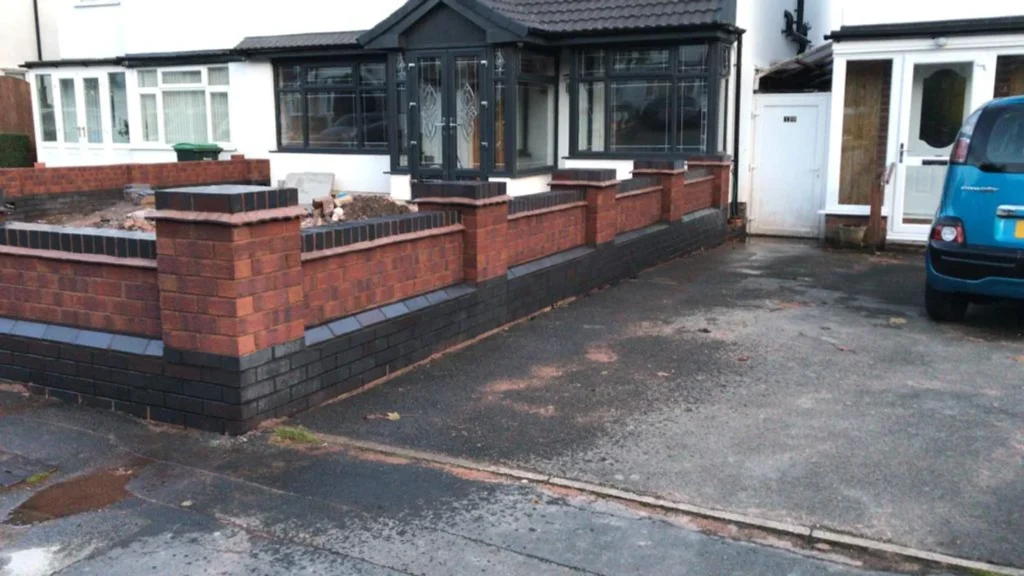
Walls near driveways and front gardens also face road spray, knocks, vibration, and frost. When joints fail, water can enter from the top, sides, and base. Coping stones or brick-on-edge cappings help protect the top of the wall when installed correctly.
For boundary wall construction in Birmingham, long-term durability depends on foundations, wall thickness, coping, drainage, and mortar selection. Repointing can extend life, but weak structures may need repair first.
What Good Repointing Work Looks Like
Good repointing starts with proper raking out. Old mortar should be removed to a suitable depth so the new mortar has enough contact and strength. Pointing over loose material creates a thin skin that fails early.
The joints should be cleaned, dampened where needed, filled fully, and finished to suit the wall. The finish should shed water without trapping moisture. Weather struck, flush, recessed, or lime-style finishes can all work when chosen for the property.
For broader wall projects, exterior wall construction in Birmingham follows the same principle: the wall needs the right materials and preparation. Lasting brickwork comes from structure and detail, not only from appearance.
Brick Repointing Lifespan Table
| Brickwork Type | Typical Repointing Lifespan | Why It Varies |
|---|---|---|
| Sheltered modern house wall | 25 to 40 years | Lower exposure and compatible mortar help lifespan |
| Exposed front or gable wall | 20 to 30 years | Rain, frost, and wind affect joints faster |
| Older soft brick with lime mortar | 20 to 35 years | Breathable mortar helps when matched correctly |
| Chimney stack | 10 to 25 years | High exposure and roofline weather shorten lifespan |
| Garden or boundary wall | 10 to 25 years | Soil, plant growth, and drainage affect mortar |
| Poor cement repointing on old brick | Under 10 years | Hard mortar can trap damp and damage brick faces |
These ranges are guides, not guarantees. A well-built and sheltered wall can exceed expectations. A wall with movement, damp, or poor earlier repairs can fail much sooner.
The best way to judge lifespan is to inspect the wall itself. Mortar condition, brick condition, joint depth, damp staining, and exposure give a better answer than age alone.
Mortar Choice and Older UK Homes
Many UK repointing problems come from using modern cement mortar on older brickwork. The Homebuilding repointing brickwork guide explains why older properties often need lime mortar and careful matching.
Older walls were designed to manage moisture differently from many modern walls. Breathable joints let moisture leave the masonry. When hard cement traps moisture, the brick can become the weak point.
A good bricklayer should not choose mortar by habit. The existing wall should guide the mix, colour, texture, and finish. This is especially important on Birmingham terraces, boundary walls, and older external elevations.
Conclusion
Brick repointing in the UK often lasts around 20 to 30 years, and sometimes longer, when the mortar is compatible, the joints are prepared correctly, and the wall can shed water properly. Exposed walls, chimneys, damp areas, and poor previous repairs can shorten that lifespan.
Gora Bricklayers helps Birmingham homeowners identify the cause of failing mortar before recommending repointing, repair, or rebuilding. For more local masonry guidance, the local brickwork blog covers How Much Does Brick Restoration Cost in Birmingham in 2026.
Frequently Asked Questions
1. How long does brick repointing usually last in the UK?
Brick repointing in the UK usually lasts around 20 to 30 years when the correct mortar, joint depth, finish, and curing method are used. Sheltered walls can last longer, while chimneys, exposed elevations, damp walls, frost damage, and poor cement repairs can fail much sooner than expected.
2. How often should brickwork be checked for repointing?
Brickwork should be checked every few years, especially after winter or heavy rain. Look for loose mortar, open joints, damp patches, salt deposits, and cracked pointing. Older Birmingham homes, chimneys, garden walls, and exposed elevations may need checks more often than sheltered modern walls.
3. Does lime mortar last longer than cement mortar?
Lime mortar does not always last longer, but it often performs better on older soft brick because it is breathable and more flexible. Hard cement can trap moisture and damage brick faces. The longest-lasting repair comes from matching mortar to the brick, exposure level, and wall age properly.
4. What makes repointing fail early?
Repointing can fail early when joints are not raked deep enough, loose mortar is left behind, the mix is too hard, or curing is rushed. Damp, frost, poor drainage, wall movement, poor access, and pointing over old weak mortar can also shorten the life of the repair by many years in UK homes.
5. Do chimneys need repointing more often than walls?
Chimneys often need repointing sooner than house walls because they face wind, rain, frost, and temperature changes above the roofline. Failed chimney mortar can lead to leaks, loose bricks, damp roof timbers, and roof damage, so early inspection is better than waiting for visible movement.
6. Can repointing stop damp coming through brickwork?
Repointing can help stop damp when water is entering through open or cracked mortar joints. It will not solve every damp problem, especially if gutters, ground levels, render, leaks, or ventilation are involved. A proper inspection should identify the moisture source first before repair work.


